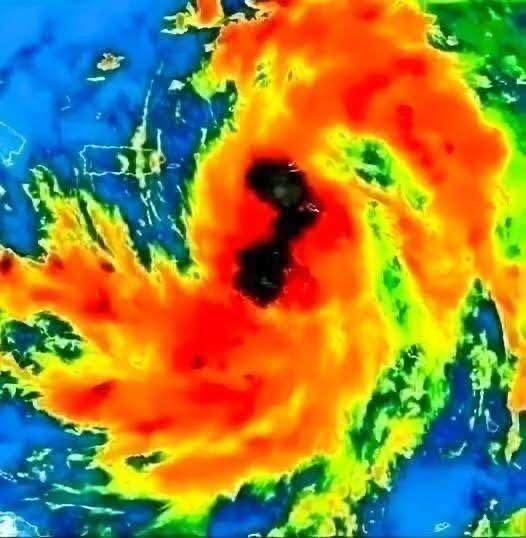
Weather experts consistently emphasize the importance of early preparation.
Individuals can take several practical steps to improve safety:
Stay Informed
Monitor forecasts regularly through trusted weather sources.
Conditions can change quickly, and official updates provide the most accurate information available.
Review Emergency Plans
Families should discuss emergency procedures, communication methods, and meeting locations.
Knowing what to do before a crisis occurs can reduce confusion during an emergency.
Assemble Emergency Supplies
Emergency kits should include:
- Drinking water
- Non-perishable food
- Flashlights
- Batteries
- Medications
- First-aid supplies
- Important documents
These supplies can prove essential during power outages or evacuations.
Charge Electronic Devices
Keeping phones, power banks, and communication devices fully charged can help maintain access to information during severe weather.
Secure Property
Residents should inspect their homes and secure items that could become hazards during strong winds.
Simple preventative actions can reduce damage risks significantly.
The Role of Modern Forecasting Technology
Today’s meteorologists have access to sophisticated tools that were unimaginable just a few decades ago.
Modern forecasting relies on:
Weather Satellites
Satellites continuously monitor cloud development, moisture levels, and storm movement from space.
These observations provide valuable real-time information.
Doppler Radar
Radar systems detect precipitation intensity, storm structure, and wind patterns.
Meteorologists use radar data to issue warnings and track severe weather developments.
Computer Models
Advanced computer simulations process enormous amounts of atmospheric data.
These models help forecasters estimate storm paths, intensity, and potential impacts.
Artificial Intelligence
Emerging technologies are increasingly assisting meteorologists in identifying patterns and improving forecast accuracy.
Although forecasting remains imperfect, technological advances continue enhancing our ability to anticipate severe weather.
Lessons from Past Storms
Don’t Miss The Rest! Press Next Button Below To Continue Reading.